Episode 157
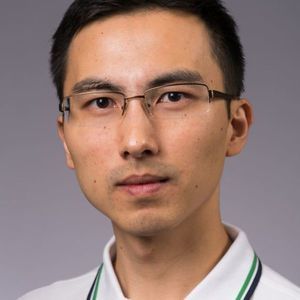
Philip Guo: The Code Runs. But Do You Understand It?
May 30th, 2026
53 mins 53 secs
Your Host

Special Guest
About this Episode
Kelly talks with Philip Guo, creator of Python Tutor, about how the tool helps students trace code and understand programming basics. They also discuss the challenges AI-generated code creates in the classroom and possible ways to support student learning.
*Wins of the Week
*
Philip: Hiring a second undergraduate student for Python Tutor, including one focused on user experience research with K-12 teachers
Kelly: Finishing a year of in-person teacher trainings and reflecting on how far the teachers have come
*AI, Coding, and Classroom Understanding
*
Much of the conversation focuses on how AI-generated code affects student learning. Kelly describes using AI code with eighth graders and how difficult it can be for them to understand functions, parameters, returns, and other fundamentals when the code is generated all at once. Philip suggests that tools like Python Tutor may be useful for helping students trace code and understand what is happening behind the scenes.
Python Tutor and Possible AI Features
Philip explains that Python Tutor currently visualizes execution and has an AI chat feature that can answer questions about code and errors. They discuss possible future features, including simplified AI-generated examples, alternative execution views that show only the lines actually run, and more guided inline help tied to specific code or variables.
Oral Explanations and Assessment
Kelly describes using a Socratic-style code review with students, where they discuss code aloud in groups. They also talk about using spoken explanations or short oral assessments to check whether students can really explain what code is doing, rather than just copying or prompting AI-generated answers.
Broader Research and “Beyond the Desk”
Philip briefly discusses a new research direction with a PhD student focused on AI support for work beyond the desk, including physical and embodied tasks in science labs and fieldwork. He says this differs from desk-based AI work and involves activities that are harder for current AI systems to support.
**Chapters
**0:25 Python Tutor and AI Learning
1:55 Hiring Help for Python Tutor
4:07 Classroom Wins and AI Reflections
6:11 Teaching Code Through Python Tutor
9:03 AI Code and Student Confusion
14:11 Simplifying Execution Traces
17:19 Functions Are the Hard Part
20:25 Keeping Fundamentals in AI Era
24:25 Socratic Seminars for Code
26:27 Voice-Based Code Thinking
29:27 Learning Beyond Lockdown
36:10 Prompting as a New Skill
36:25 Hardware Troubles and NeoPixels
40:15 Beyond the Code Editor
45:01 New Research on Embodied AI
49:12 PyCon and Community Plans
50:42 Teacher Call to Action